


Do I need a dedicated grinder for cold brew production?
For most café operations, a dedicated cold brew grinder is not strictly necessary, but it is operationally advantageous. Cold brew requires a very coarse grind setting, and constantly adjusting between cold brew and other brew methods introduces workflow inefficiency and the risk of dial-in errors. If cold brew is a regular menu item produced in volume, setting aside an allround grinder exclusively for cold brew grinding simplifies operations and ensures consistent output. For large-scale cold brew production, an industrial grinder may be more appropriate.
What grinding capacity do I need for cold brew at café volume?
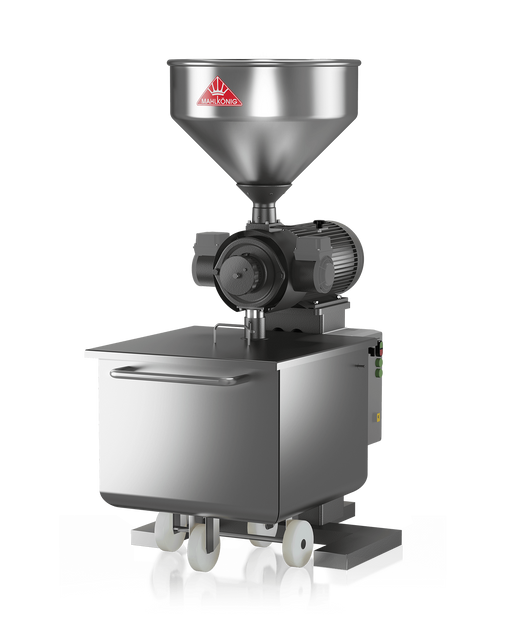
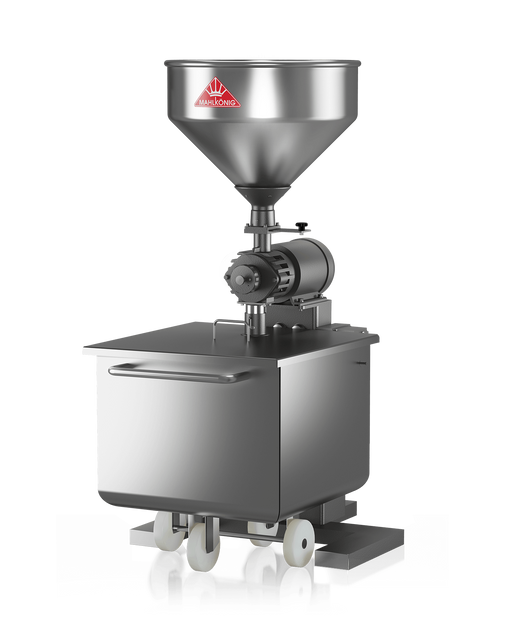
Cold brew typically requires a higher coffee-to-water ratio and larger batch weights than other brew methods, meaning your grinder needs to process a significant volume of coffee in a single session. The EK43 and EK43 S are well-suited to café-scale cold brew production, offering the throughput and grind consistency required for regular batch grinding. For grinding cold brew at scale, including retail bags, Mahlkönig's Guatemala grinder provides the continuous grinding capacity needed for large-volume output.
Can I use the same grinder for cold brew and other brew methods in my operation?
Yes, but with an important consideration. An allround grinder with a wide grind range can switch between cold brew and other brew methods, but each transition requires re-dialling and purging to avoid cross-contamination of grind settings. For operations where cold brew is produced frequently, a second allround grinder dedicated to cold brew eliminates this friction. If cold brew is only produced occasionally, a single allround grinder can manage multiple methods with appropriate workflow discipline.
How does grind consistency affect cold brew quality across batches?
Cold brew's long extraction time amplifies the impact of any inconsistency in the grind. A batch ground with uneven particle sizes will over-extract fines and under-extract coarser pieces simultaneously over 12 to 24 hours, producing a concentrate that is difficult to replicate and hard to serve consistently. For operations selling cold brew by volume or bottling for retail, grind repeatability is directly tied to product consistency and customer experience. A professional burr grinder with reliable coarse grind settings is essential for producing a cold brew concentrate that tastes the same batch to batch.